Enhance Your Clinical Outcomes with Vector-Guided Release (VGR) – A System Built on Biomechanical Logic & Integrated Insights
As a dedicated health professional, you’re always seeking ways to provide more effective, lasting solutions for your patients, especially those with complex or persistent musculoskeletal conditions.
Vector-Guided Release (VGR) is an advanced manual therapy system that can significantly enhance your diagnostic precision and treatment efficacy, grounded in clear and specific mechanical logic, integrated with profound insights from traditional healing philosophies.
Book a Workshop
What is VGR and Why Should You Learn It?
The Foundations of VGR:
VGR is a unique diagnostic and therapeutic method developed from direct clinical insights, blending a Western scientific approach to biomechanics with the wisdom of traditional Eastern manual therapy and Chinese Acupuncture theory.
The foundational understanding of manual therapy that led to VGR was significantly inspired by the teachings of Dr. Pande George Cui, whose initial tools and insights were pivotal. Early career guidance from Western practitioners like Physiotherapist Brooke Lishman also contributed to the integration of diverse perspectives.
Ashi Points & Beyond:
A core inspiration is the concept of Ashi points (spontaneous tender points). VGR expands on this by understanding these “point locations” not merely as sites for needling, but as coordinates that correspond with the body’s sensory feedback systems, particularly relating to the spine and meridian system.
These points, often approximate to known acupuncture locations like Huatuojiaji or Du Mai points, are interpreted through a biomechanical lens.
The PMI & Force Vector:
VGR identifies specific biomechanical restrictions through the precise location of “Points of Maximum Intensity” (PMIs) and their associated Force Vectors – the unique combination of maximal patient tenderness and maximal practitioner-palpated resistance.
The assessment may further utilize principles like Yin/Yang and Ba Gua to formulate exact positional coordinates of dysfunction.
Mechanical Logic:
This systematic assessment provides a logical framework for understanding joint dysfunction that will particularly appeal to structurally-based therapists and those with a strong foundation in biomechanics.
Intervention (导引 Dǎo Yǐn):
The intervention emphasizes guided active patient movement. The practitioner applies targeted, sustained pressure to the PMI along the Force Vector, acting as a fulcrum, while the patient performs specific active movements.
This cooperative process facilitates a safe, controlled release and realignment of the dysfunctional segment based on sound mechanical principles. These “point locations” become access points to the nervous system, skeleton, and mind, usable as leverage points for guided active movement, passive movement, or acupressure.
Benefits of Integrating VGR into Your Practice:
Enhanced Diagnostic Precision:
Learn to identify the exact segmental fault and its directional vector with a clear mechanical rationale, moving beyond symptomatic treatment to address the root cause.
Improved Treatment Effectiveness:
Aim to achieve more significant and often lasting results, particularly for chronic or complex cases resistant to other modalities.
Increased Patient Safety:
VGR’s gentle, non-thrust techniques, guided by patient feedback and active participation, minimize risk and are suitable for a wide range of patients, including those who are sensitive or apprehensive.
Empower Your Patients:
Foster a cooperative therapeutic alliance by actively involving patients in their own healing process.
Complement and Elevate Existing Skills:
VGR seamlessly integrates with and enhances other manual therapy techniques (e.g., Myofascial Release, MET), acupuncture, physiotherapy, osteopathy, and chiropractic care. The VGR testing protocol itself offers a powerful new lens through which to apply your prior biomechanical knowledge, potentially unlocking new applications and insights within your existing practice.
Address Global Patterns:
Learn to understand and address the body’s interconnectedness and how local dysfunctions fit into broader compensatory patterns, all within a logical biomechanical framework.

Who Can Learn VGR?
The VGR Academy offers training for qualified health professionals with existing manual therapy and palpation skills, including:
- Physiotherapists
- Osteopaths
- Chiropractors
- Acupuncturists (with a strong manual therapy component to their practice)
- Registered Massage Therapists (with advanced training in assessment/manual techniques)
Ready to Take Your Practice to the Next Level?
Vector-Guided Release isn’t just a technique – it’s a transformation in how you assess, treat, and empower your patients.
Whether you’re dealing with stubborn spinal restrictions, chronic pain patterns, or patients who’ve “tried everything,” VGR offers a fresh lens, a logical framework, and real, lasting outcomes.
Register TodayOur Training Philosophy
We believe in providing comprehensive, hands-on training that combines a deep understanding of the theoretical principles – emphasizing its clear mechanical logic and integrated East-West philosophy – with extensive practical application.
Our workshops are designed to be interactive, supportive, and clinically relevant, ensuring you can confidently integrate VGR into your practice.
Register TodayABOUT US

Acupuncturist and founder of
Vector-Guided Release
Meet Tyrone Penning,
L.Ac, BHSc, GDip.
Based in Auckland, New Zealand where he specialises in relief from back pain using his unique Vector-Guided Release (VGR) method in combination with I Ching balance method Acupuncture.
Tyrone focuses on diagnosing the root cause of pain to achieve rapid, lasting relief and functional improvement for chronic pain.
Vector-Guided
Release
_
A unique systematic diagnostic method identifies the exact origin of chronic neck pain, back pain, and stiffness.
Using sensory feedback and safe, controlled, and precise guided movement, VGR achieves immediate alignment and lasting relief from many complex biomechanical pain syndromes.
This gentle technique is non-thrust and safe for anyone able to perform basic body movements.
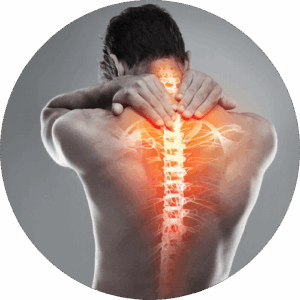
Working with your body’s intelligence
_
Our core philosophy respects your body’s natural capacity for self-correction.
We use skilled assessment techniques and a collaborative process to pinpoint the exact source of imbalance.
By integrating gentle methods like infrared light, acupuncture and manual therapy, we foster a safe process, build trust, and guide you towards sustainable relief from pain and limitations.

VGR and Tuina
VGR Technique
VGR and Acupuncture
Subscribe to VGR News & Workshop Updates
Stay informed about new training dates, updates, and exclusive practitioner insights.